
Teacher–Student Relationships and Learning Outcomes: Evidence from Educational Psychology
Explores how emotionally supportive teacher–student relationships enhance trust, engagement, and academic outcomes in primary education.
Yashneeil SIngh
1/5/20262 min read
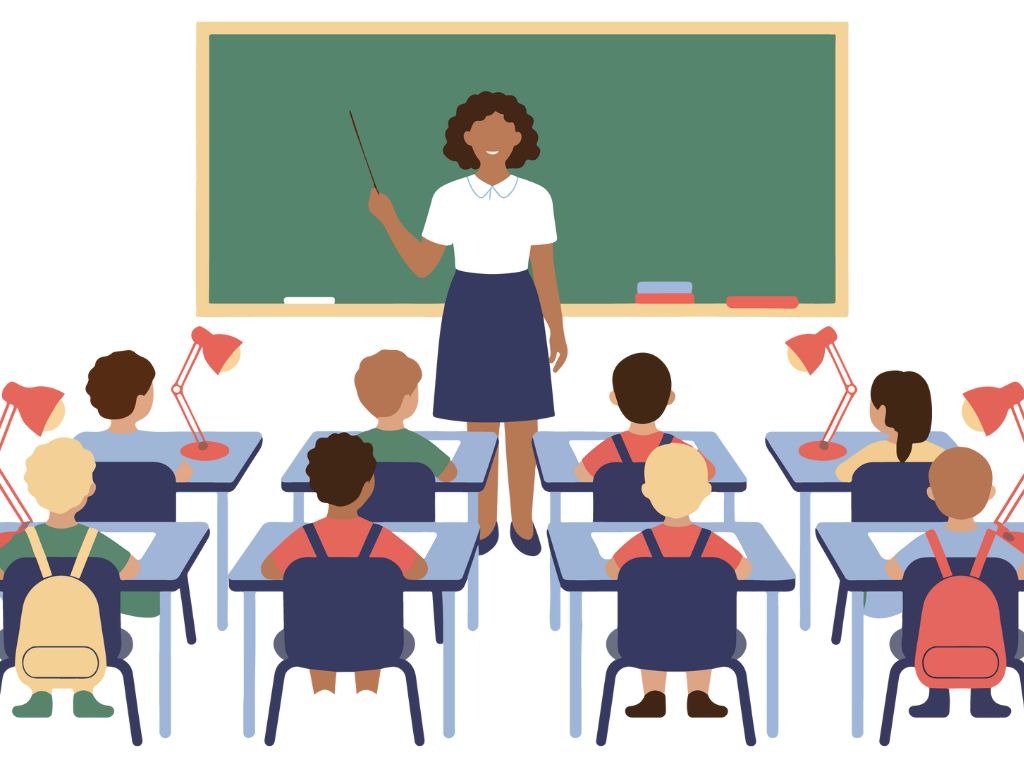
In primary education, academic achievement is often associated with curriculum design, instructional quality, and assessment practices. However, decades of research in educational psychology consistently highlight another critical factor: the quality of teacher–student relationships. Emotional safety, trust, and supportive interactions are not peripheral to learning; they are foundational to cognitive development and academic success.
Theoretical Foundations
Educational psychology frames teacher–student relationships within attachment theory and self-determination theory. According to attachment theory, secure relationships with caregivers and authority figures enable children to explore, take risks, and engage confidently with their environment. In classrooms, teachers often serve as secondary attachment figures, particularly during early and middle childhood (Bergin & Bergin, 2009).
Self-determination theory further emphasizes that students learn best when three basic psychological needs are met: autonomy, competence, and relatedness. A trusting teacher–student relationship directly supports the need for relatedness, which in turn enhances motivation and engagement (Ryan & Deci, 2000).
Emotional Safety and Cognitive Function
Neuroscientific research demonstrates that emotional safety is a prerequisite for effective learning. Chronic stress and anxiety activate the brain’s threat-response systems, impairing working memory, attention, and executive functioning. In contrast, emotionally supportive classrooms reduce cortisol levels and enable better cognitive processing (Immordino-Yang & Damasio, 2007).
A longitudinal study published in Child Development (Hamre & Pianta, 2001, USA) found that children who experienced close, low-conflict relationships with teachers in early grades demonstrated higher academic achievement and fewer behavioral problems through later schooling. These effects persisted even after controlling for socioeconomic factors.
Trust, Engagement, and Academic Performance
Trust between teachers and students enhances learning by encouraging participation, question-asking, and persistence through difficulty. Research in the Journal of Educational Psychology shows that students who perceive their teachers as supportive and fair exhibit higher levels of intrinsic motivation and task engagement (Wentzel, 1997).
Moreover, positive teacher–student relationships are associated with improved literacy and numeracy outcomes. A meta-analysis in Review of Educational Research (Roorda et al., 2011) concluded that emotional support from teachers has a moderate but significant effect on academic performance, particularly in primary education.
Implications for Classroom Practice
Evidence-based practices that strengthen teacher–student relationships include:
Consistent, respectful communication
Predictable classroom routines that promote psychological safety
Constructive feedback focused on effort and improvement
Active listening and responsiveness to individual student needs
These practices not only support academic learning but also foster self-regulation and resilience—skills essential for long-term success.
Kimberlite Elementary School’s Approach
At Kimberlite Elementary School, teacher–student relationships are treated as a core pedagogical priority. Small class sizes, structured routines, and continuous teacher training ensure that each child experiences a supportive and emotionally secure learning environment. This relational approach complements academic instruction, reinforcing both cognitive and social development.
Conclusion
The evidence from educational psychology is unequivocal: emotionally supportive teacher–student relationships significantly enhance learning outcomes. By fostering trust and emotional safety, primary schools create the conditions necessary for sustained academic growth and lifelong learning. Kimberlite Elementary School’s commitment to relationship-centered education reflects a scientifically grounded approach to student success.
References
Bergin, C., & Bergin, D. (2009). Attachment in the classroom. Educational Psychology Review, 21(2), 141–170.
Ryan, R. M., & Deci, E. L. (2000). Intrinsic and extrinsic motivations. American Psychologist, 55(1), 68–78.
Hamre, B. K., & Pianta, R. C. (2001). Early teacher–child relationships and later outcomes. Child Development, 72(2), 625–638.
Immordino-Yang, M. H., & Damasio, A. (2007). We feel, therefore we learn. Mind, Brain, and Education, 1(1), 3–10.
Roorda, D. L., et al. (2011). The influence of affective teacher–student relationships. Review of Educational Research, 81(4), 493–529.
Education
Shaping futures through innovative early education.
Contact
info@kimberliteschool.in
9413337209, 8890799897
© 2026. All rights reserved.